Understanding ISO Tank Certifications: A Global Guide to Compliance, Safety, and Operations
Introduction
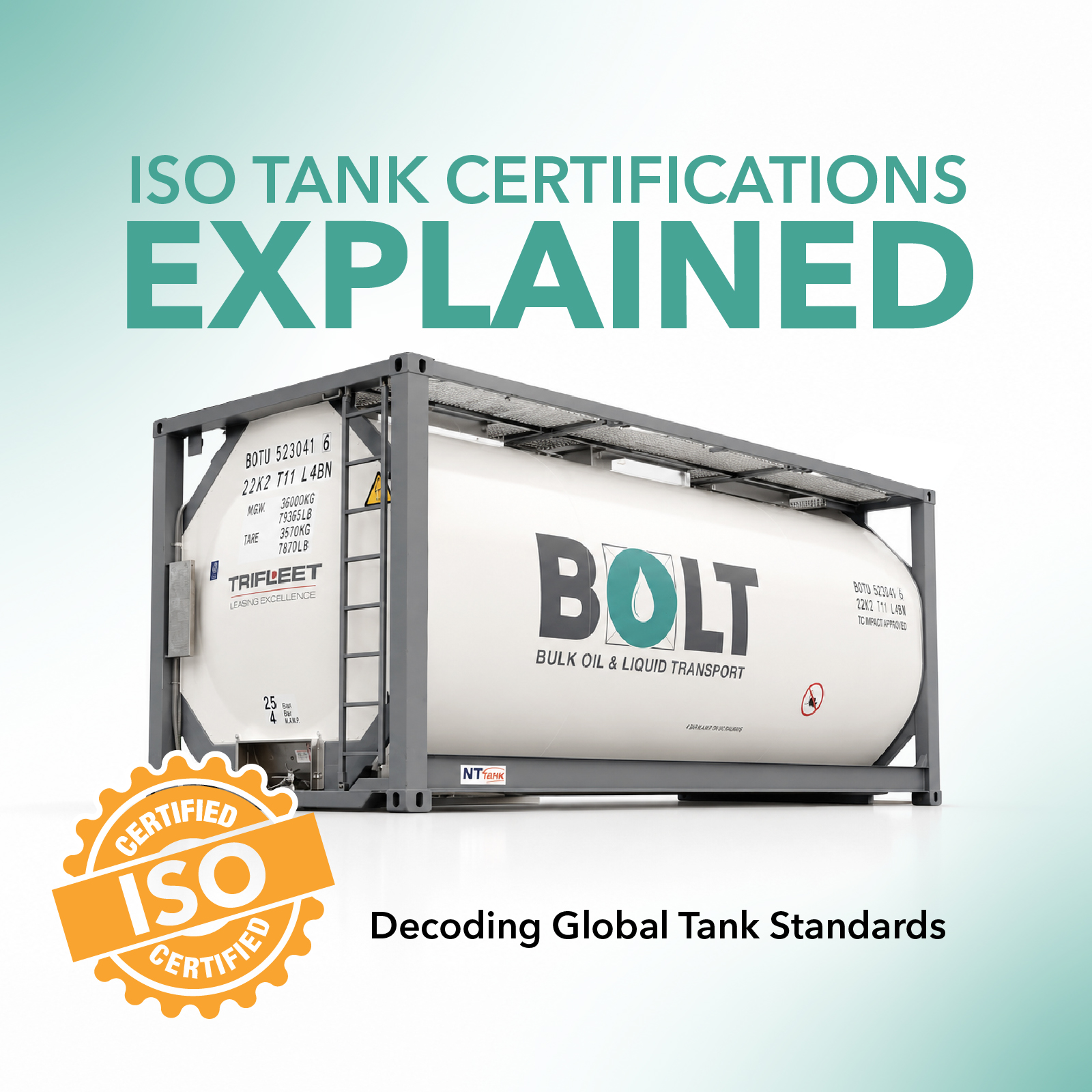
ISO tank containers are among the most regulated pieces of equipment in the global logistics industry. Designed to transport hazardous and non-hazardous liquids, gases, and food-grade products across multiple modes of transport, they must comply with a wide range of international and regional regulations throughout their operational life.
A common misconception is that a single certification makes an ISO tank compliant worldwide. In reality, ISO tanks are subject to multiple certifications, approvals, inspections, and regulatory requirements, each serving a distinct purpose.
This guide explores the major certifications and approvals associated with ISO tanks and explains why they are critical for safe and compliant operations.
Why Are ISO Tank Certifications Important?
ISO tanks routinely transport valuable and often hazardous cargoes across continents. Certifications help ensure that tanks:
- Are designed and manufactured to recognized international standards.
- Remain structurally sound throughout their service life.
- Comply with transport regulations in different countries.
- Protect people, cargo, and the environment.
- Meet the requirements of shipping lines, ports, rail operators, and regulatory authorities.
Without the appropriate certifications and inspections, an ISO tank may be restricted from operation, delayed at ports, or deemed unsuitable for carrying certain cargoes.
- UN Portable Tank Certification (T-Codes)
The foundation of ISO tank compliance begins with the United Nations Portable Tank Instructions, commonly referred to as T-Codes.
T-Codes define the technical requirements for tanks carrying dangerous goods, including:
- Design pressure
- Shell thickness
- Safety devices
- Bottom outlet arrangements
- Testing requirements
- Permitted cargoes
Some common tank classifications include:
T11 Tanks
The most widely used ISO tanks for transporting hazardous and non-hazardous liquid chemicals.
T14 Tanks
Designed for the safe transport of highly corrosive chemicals.
T50 Tanks
Designed for the transport of liquefied gases under pressure.
The T-Code determines whether a tank is suitable for a specific product and operating condition.
- CSC Approval
The Convention for Safe Containers (CSC) is an international agreement established to ensure the structural safety of freight containers used in global transport.
Every ISO tank operating internationally must possess a valid CSC Safety Approval Plate.
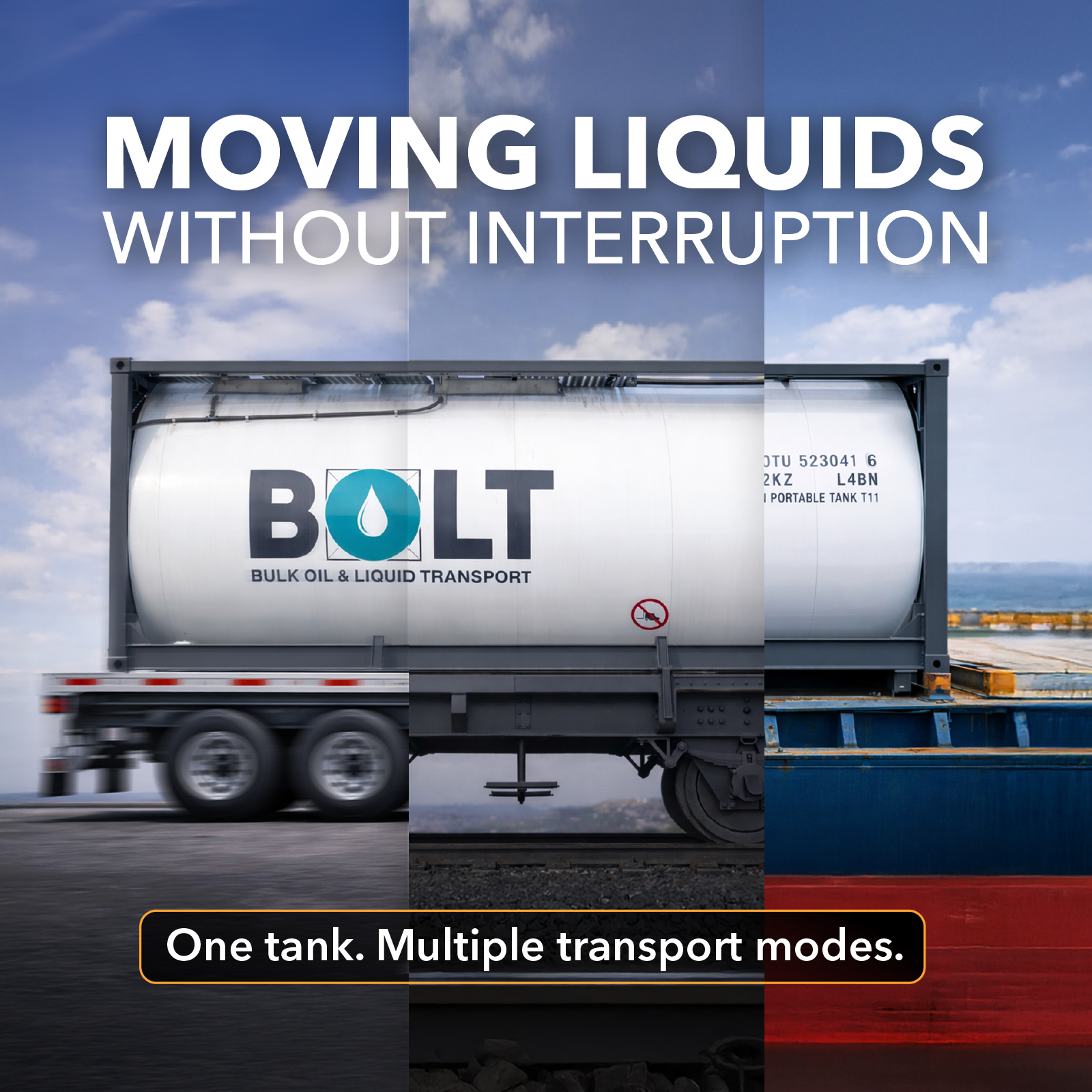
CSC approval confirms that the container frame and structure meet internationally accepted safety standards and can withstand the stresses encountered during:
- Ocean transportation
- Rail transportation
- Road transportation
- Intermodal handling operations
The CSC plate is often considered the tank's passport for international trade.
- Periodic Inspection and Testing Requirements
Obtaining certification is not a one-time process. ISO tanks must undergo regular inspections throughout their service life.
2.5-Year Inspection
Typically includes:
- Internal examination
- External examination
- Pressure relief valve inspection
- Safety device testing
- Verification of markings and documentation
These inspections help identify wear, corrosion, damage, or component deterioration before they become operational concerns.
5-Year Inspection
The five-year inspection is more comprehensive and may include:
- Hydraulic pressure testing
- Structural assessment
- Thickness measurements
- Internal and external inspections
- Verification of safety systems
Successful completion allows the tank to remain in service until its next inspection interval.
- IMDG Code Compliance
The International Maritime Dangerous Goods (IMDG) Code governs the transportation of dangerous goods by sea.
Although not a tank certification in the traditional sense, compliance with the IMDG Code is essential for maritime transport.
The code covers:
- Tank suitability
- Cargo classification
- Marking and placarding
- Documentation requirements
- Emergency response information
For tanks moving through international shipping networks, IMDG compliance is mandatory.
- ADR Compliance
ADR regulates the international carriage of dangerous goods by road throughout Europe.
For ISO tanks transported by road in ADR-participating countries, compliance requirements include:
- Vehicle compatibility
- Markings and placards
- Operational controls
- Driver qualifications
- Tank testing and certification
ADR plays a critical role in maintaining safety during road transport operations.
- RID Compliance
RID serves a similar purpose to ADR but applies specifically to rail transportation.
It establishes requirements for:
- Tank wagon operations
- Dangerous goods transportation
- Inspection and testing standards
- Documentation and safety procedures
For tanks transported via rail across Europe, RID compliance is essential.
- PED Certification
The Pressure Equipment Directive (PED) is a European Union regulation governing pressure equipment.
PED certification is particularly relevant for:
- Pressure vessels
- Gas tanks
- Specialized pressure equipment
It ensures that pressure-containing equipment meets strict European safety and engineering requirements.
- ASME Certification
The American Society of Mechanical Engineers (ASME) develops internationally recognized standards for pressure equipment.
Many tank manufacturers obtain ASME certification to demonstrate compliance with stringent pressure vessel design and manufacturing standards.
ASME-certified equipment is widely accepted across global markets and is particularly significant in North America.
- U Stamp Certification
The ASME U Stamp is a specialized certification indicating that a pressure vessel has been designed, manufactured, and inspected in accordance with ASME Boiler and Pressure Vessel Code requirements.
This certification is commonly associated with:
- Gas transport equipment
- High-pressure vessels
- Specialized tank systems
- DOT Compliance
The United States Department of Transportation (DOT) regulates the transportation of hazardous materials within the United States.
ISO tanks operating within the U.S. may be subject to DOT requirements relating to:
- Tank approvals
- Hazardous materials transportation
- Marking and documentation
- Inspection and testing procedures
DOT compliance helps ensure safe transportation throughout the American supply chain.
- Transport Canada Certification
For operations involving Canada, ISO tanks may need to comply with requirements established by Transport Canada.
These regulations govern:
- Dangerous goods transportation
- Tank approvals
- Inspection intervals
- Safety and operational standards
Transport Canada requirements closely align with international safety frameworks while addressing Canadian regulatory needs.
- PESO Approval in India
In India, certain hazardous cargoes may require approvals from the Petroleum and Explosives Safety Organisation (PESO).
PESO approval helps ensure compliance with Indian regulations concerning:
- Hazardous chemicals
- Petroleum products
- Gases and pressure equipment
- Import and operational requirements
For tanks carrying regulated products within India, PESO approval may be an important component of overall compliance.
- Food-Grade Certifications
ISO tanks used for food products must meet additional standards designed to prevent contamination and maintain product quality.
Food-grade requirements may include:
- Stainless steel construction
- Specialized cleaning procedures
- Product compatibility verification
- Hygiene controls
- Traceability requirements
These standards are particularly important for transporting:
- Edible oils
- Beverages
- Food additives
- Food ingredients
Certification vs. Inspection vs. Regulatory Approval
One of the most important distinctions in the ISO tank industry is understanding that certifications, inspections, and regulatory approvals are not the same.
|
Type |
Purpose |
|
Certification |
Confirms design and manufacturing compliance |
|
Inspection |
Verifies ongoing fitness for service |
|
Regulatory Approval |
Authorizes operation within a specific jurisdiction |
|
Operational Compliance |
Ensures adherence to transport regulations |
Together, these requirements create the framework that enables ISO tanks to move safely and efficiently across global supply chains.
Conclusion
The global movement of liquids and gases depends on more than just robust equipment. It relies on a comprehensive system of certifications, inspections, and regulatory approvals that ensure ISO tanks remain safe, compliant, and fit for purpose throughout their lifecycle.
From UN T-Codes and CSC approvals to ADR, RID, PED, ASME, DOT, Transport Canada, and PESO requirements, each certification serves a specific role in supporting safe international transport.
Understanding these requirements helps shippers, operators, and logistics professionals make informed decisions while maintaining the highest standards of safety and compliance in liquid logistics.